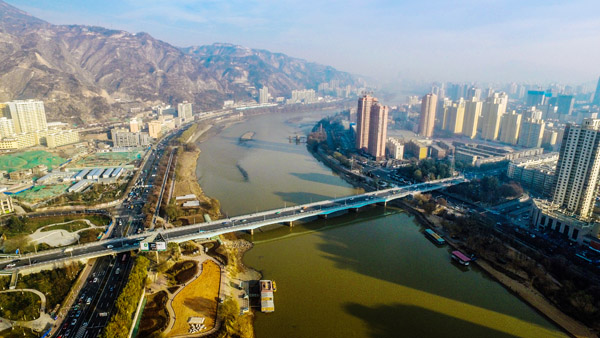
Lanzhou City
Overview
Lanzhou, the capital of Gansu province in Northwest China, is a city steeped in history and rich in cultural and natural attractions. This city, historically a key point on the ancient Silk Road, serves as a vital hub connecting different regions in China due to its strategic location along the Yellow River. Modern-day Lanzhou is an amalgamation of its culturally diverse past and its industrial present, offering a variety of experiences ranging from its famous hand-pulled noodles to scenic river views and cultural festivals.
Historical Significance
Lanzhou's history dates back to ancient times, serving as a crucial outpost and a trading hub along the Silk Road, facilitating cultural and economic exchanges between East and West. During the Ming Dynasty (1368-1644), the city became famous for its waterwheels, which lined the Yellow River for irrigation purposes. These historical waterwheels are still a hallmark of Lanzhou's cultural heritage, symbolizing the city's ingenuity in harnessing natural resources for agricultural development.
Cultural Heritage
Lanzhou is renowned for its unique cultural heritage, with influences from various ethnic groups that have settled in the region over centuries. The city hosts traditional art forms such as Qinqiang Opera and Qinju Opera, exemplified by the performances of the Qinju Opera Troupe of Gansu province, founded in 1953. The troupe has staged numerous traditional and contemporary operas, contributing to the preservation and innovation of Chinese opera art.
Another significant cultural aspect of Lanzhou is its cuisine, particularly the iconic Lanzhou beef noodles. Known for their distinctive shape and flavor, these hand-pulled noodles are a staple in the city's gastronomy, with thousands of local restaurants serving over a million bowls daily. The beef noodles' popularity has spread across China, becoming a culinary symbol of Lanzhou.
Arts and Festivals
Lanzhou's cultural scene is vibrant, with various festivals and art events throughout the year. The city has hosted ethnic dance dramas such as "General Li Guang", inspired by the Western Han Dynasty (206 BC-AD 24) militarist Li Guang. Additionally, Lanzhou has been a stage for contemporary performances and events like street dance festivals, demonstrating its openness to diverse artistic expressions.
In the realm of folk arts, artisans in Lanzhou, such as Guo Guangming, continue traditional crafts like bird cage making, preserving techniques that reflect the region's cultural memory. These crafts, alongside traditional events like the Honggu lantern show, emphasize the city's commitment to maintaining its intangible cultural heritage.
Natural Attractions and Development
Lanzhou is not only rich in history and culture but also boasts significant natural beauty. The Yellow River runs through the city, providing picturesque views and serving as a focal point for urban development. Lanzhou's districts, including Chengguan, Qilihe, Honggu, Xigu and Yuzhong county, are being developed into tourist resorts, showcasing the area's natural and historical attractions.
Efforts are underway to promote Lanzhou as a tourist destination beyond its famous noodles. The local government is investing in cultural tourism development, aiming to highlight other city attributes such as the Kushui rose, a unique plant species native to the region. Furthermore, Lanzhou is home to various parks and scenic spots, catering to both domestic and international tourists. Article reference1. Check out Lanzhou because it is more than noodles. chinadaily.com.cn. 20192. Qinju Opera Troupe of Gansu Province. chinaservicesinfo.com. 2017Photo Gallery(3 pictures)CategoriesTourismTagCity TourismRelatedGansu Science and Technology MuseumCatalogue1. Overview2. Historical Significance3. Cultural Heritage4. Arts and Festivals5. Natural Attractions and Development- - - []








